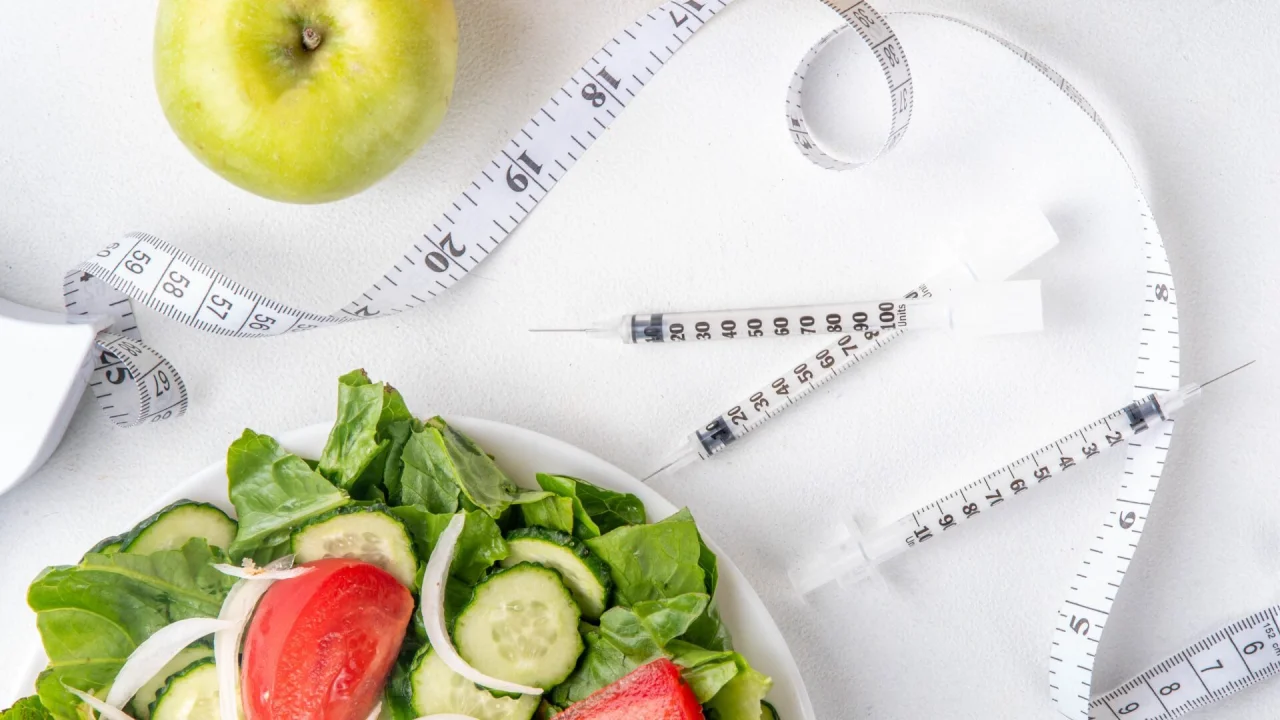
The biggest threat to food brands is not competition. Its appetite itself. With permission, I am sharing my observations along with parts of a post originally shared by Karthik Srinivasan, highlighting the impact of weight-loss drugs as they become a “normal part” of at least urban India. Their impact on consumption behavior and interrelated impact on major fast, processed, and packaged food brands, which have traditionally offered an indulgent mix of sweetened, salted, deep-fried foods as a key part of their product portfolios.
The starting point is that much more than a fad, weight-loss drugs, specifically GLP-1 medications, are here to stay if not thrive. In fact, this is not a trend to be managed but a reset to be designed for.
Why?
Because, essentially, they satisfy a basic human desire – that of looking good- and, traditionally, a slim body has often been seen as a key marker of attractiveness. And with a very real possibility of these drugs being made available as ingestible pills beyond only as injectables, both access and adoption, even if unsupervised, are likely to surge.
So, how will this affect the traditional packaged food majors?
Beyond the propensity to “eat less” (as GLP-1 drugs essentially act as appetite suppressants), there will be consequences on specific categories that contribute significantly to the business’s overall topline and profitability.
The threat of reducing contribution would force companies to take a hard relook at such categories – reviewing current recipes and forcing reformulations, significantly reducing or replacing “sin” ingredients with healthier alternatives, which in some cases could completely alter the product experience consumers have traditionally gorged on.
Sooner rather than later, burgers, fries, sweetened beverages, salted snacks, chips, biscuits, cookies, and candies won’t look or taste the same. For the average grocer, the higher-margin snack and junk food categories, typically stocked near the cash tills to profit from impulse purchases, will shrink. Remember, impulse buying disappears when appetite disappears!
Restaurants will be impacted as well.
The “All-you-can-eat” deals and extensive buffet spreads designed to satisfy insatiable appetites may feel the head from an appetite-suppressed consumer. Because, in reality, as appetites are suppressed and people are forced to become more selective in their food choices, they would be consciously shifting toward more mindful, conscious dining experiences. The future of food is not about eating more, but choosing better.
Will this impact be felt by farmers as well?
Although it may take some time, the short answer is Yes. Over time, demand for high-starch produce will decline, as will demand for crops primarily used for edible oils, as deep-fried and other processed foods give way to more nutritious legume and dairy-based diets.
This post is not just about GLP-1 medications, but a larger healthcare story. It is, in fact, an invitation to the leadership team of any big, thriving food business to rethink brand positioning, portfolio decisions, channel strategy, and, lastly, to revisit and weave a long-term relevance story, as this shift may not be sudden but will be irreversible.
Brands that continue to rely on indulgence, volume, and impulse will struggle because when appetite disappears, choice becomes intentional. And when choice becomes intentional, brands are chosen not just for better value pricing or market share, but for the meaning they present.